How to Find the Right Invisalign Dentist Near Me: A Patient’s Guide
When you start thinking about straightening your teeth, it’s easy to feel overwhelmed by all the options out there. One search for Invisalign dentist near me can bring up dozens of results, each promising to be the perfect fit. But how do you know which dentist is the right choice for your needs? Clear aligners like Invisalign are a big commitment, so taking time to find a provider who understands your goals, lifestyle, and concerns makes a real difference.
This guide walks you through what to look for, what to expect during treatment, and why your choice of dentist matters more than you might think. Along the way, we’ll also touch on related questions patients often have, like how orthodontics ties into issues such as long face syndrome, when devices like a tongue crib are used, and how Miami Invisalign has become a popular choice for both teens and adults.
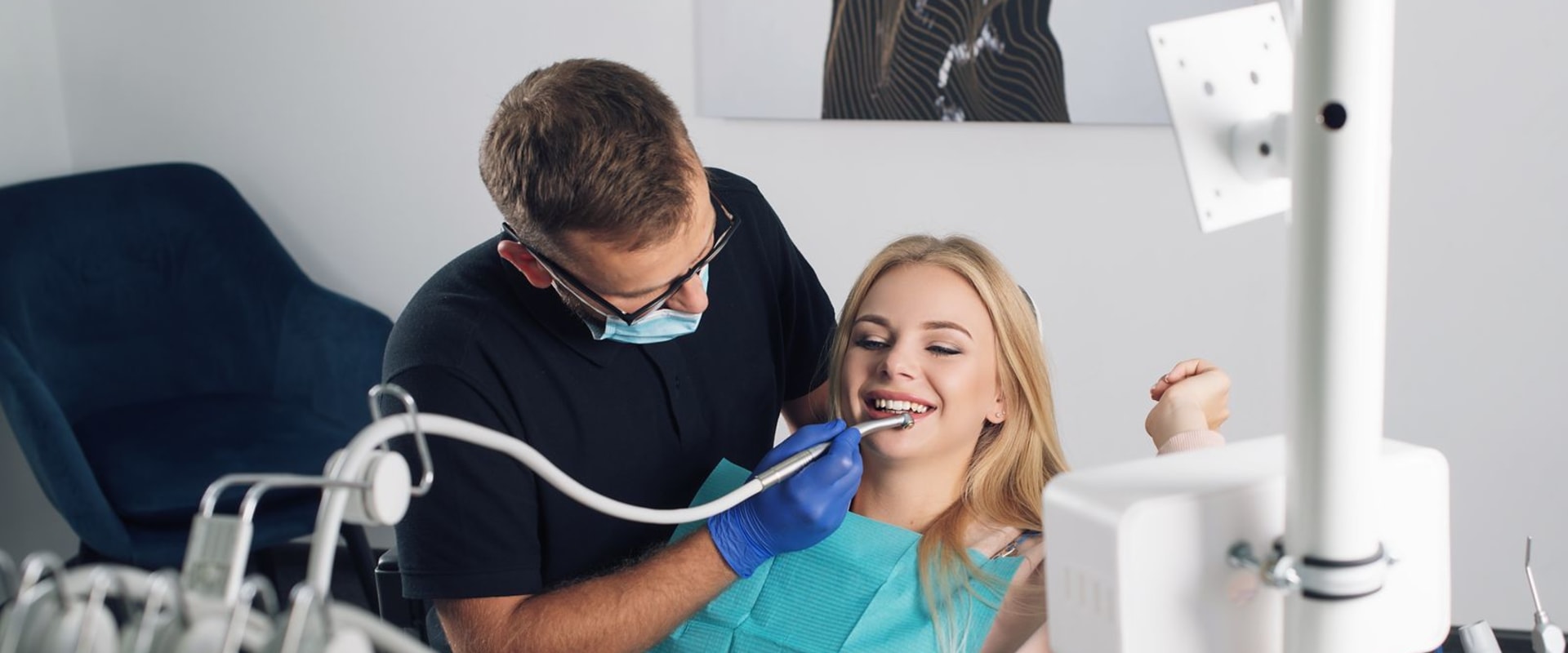
Why Patients Choose Invisalign
Clear aligners have gained popularity for good reason. Unlike braces, Invisalign trays are nearly invisible and removable, which means you can eat, brush, and floss without much hassle. Many patients find that this flexibility makes orthodontic treatment less disruptive to their daily lives.
But Invisalign isn’t just about convenience. It’s designed to address a variety of issues, including crowding, spacing, and mild to moderate bite problems. That said, aligners aren’t always the right fit for every case, which is why finding the right Invisalign dentist near me is such an important step. A skilled provider can tell you whether Invisalign is appropriate for your specific situation or if another treatment, like braces or appliances, may be better.
Read More - Six Easy Ways for You to Find Your Best Orthodontist in Miami FL
What to Look for in an Invisalign Dentist
When searching for the best Invisalign dentist near me, there are a few key things to consider:
1. Experience with Invisalign
Not every dentist offers Invisalign, and among those who do, experience levels can vary. Ask how many cases they’ve treated and whether they’ve worked with patients whose concerns are similar to yours.
2. Patient-Friendly Approach
Comfort matters. Many patients, especially teens, may feel nervous about orthodontic treatment. A dentist who explains things clearly and takes time to answer questions can make the process smoother and less stressful.
3. Technology and Tools
Some providers use digital scans instead of traditional impressions, which can make the experience more comfortable. These scans also help create a precise treatment plan.
4. Customized Care
Orthodontics isn’t one-size-fits-all. The right provider will tailor your treatment plan to your needs, whether that involves clear aligners, appliances like a tongue crib, or monitoring growth patterns if your concern involves something more complex, such as long face syndrome.
The Role of an Invisalign Dentist in Miami
If you’re in South Florida, searching for Miami Invisalign will show you just how popular aligner therapy has become in the area. Dentists here often work with a wide range of patients, from busy professionals to teenagers preparing for senior photos. The flexibility of Invisalign appeals to many, but again, the skill of your dentist determines how effective the process can be.
When consulting with a Miami Invisalign provider, it’s helpful to bring your questions about treatment length, lifestyle adjustments, and what kind of results you can expect. Clear communication ensures you leave the consultation with realistic expectations.
Understanding Long Face Syndrome and Orthodontics
You might be wondering what long face syndrome has to do with Invisalign. While the two aren’t directly connected, orthodontists sometimes see young patients whose jaw growth patterns contribute to elongated facial features. This can be influenced by airway issues, prolonged mouth breathing, or thumb-sucking habits.
A comprehensive evaluation may involve looking at not just teeth alignment but also jaw development and facial proportions. While Invisalign itself isn’t used to treat long face syndrome, a knowledgeable orthodontist can explain when additional appliances, growth monitoring, or even surgical consultation may be appropriate. The key is working with a provider who looks at the big picture rather than focusing solely on straightening teeth.
What Is a Tongue Crib and Why Is It Used?
Another orthodontic tool that sometimes comes up in conversations with parents is the tongue crib. This small appliance is placed in the mouth to discourage tongue thrusting, a habit where the tongue pushes against the teeth during swallowing or speaking. Tongue thrusting can lead to open bites or other alignment issues if not corrected early.
While an Invisalign dentist near me may not always be the one providing a tongue crib, they often collaborate with orthodontists who do. For younger patients, this type of appliance can guide better oral habits and make future orthodontic treatment more effective.
What the Invisalign Process Typically Looks Like
Choosing Invisalign is about more than getting trays and waiting for results. Here’s what many patients can expect:
-
Consultation – Your provider evaluates whether you’re a good candidate and explains the treatment plan.
-
Digital Scans and Impressions – These create a 3D model of your teeth to design custom aligners.
-
Treatment Plan – You’ll see a digital preview of how your teeth may move over time.
-
Wearing Aligners – Most patients switch to a new set every one to two weeks. Aligners should be worn 20–22 hours a day.
-
Check-Ins – Regular appointments allow your dentist to monitor progress and make adjustments if needed.
The process is straightforward, but the discipline of wearing aligners as directed is critical. Skipping trays or not wearing them enough hours each day can slow down results.
Read More - Dental Orthodontic Office Manager
Lifestyle Considerations with Invisalign
One reason people search for Invisalign dentist near me is that aligners generally fit well into busy lifestyles. You can take them out to eat or drink, and they’re easy to clean. Still, there are small adjustments to keep in mind:
-
You’ll need to brush after meals to avoid trapping food against your teeth.
-
Keeping track of trays is important—losing them can delay treatment.
-
Talking with aligners in may take a day or two to adjust, but most patients adapt quickly.
For teens, Invisalign may feel more appealing than braces, especially in a city like Miami where aesthetics matter. Parents, however, should consider whether their child is responsible enough to keep trays in place.
Common Concerns Patients Have
Is Invisalign Comfortable?
Most people describe it as mild pressure when switching to a new tray. The feeling usually fades within a day or so.
What If My Case Is Complex?
Not every issue can be solved with aligners. Problems tied to long face syndrome or tongue thrusting may require additional appliances or braces. This is another reason why choosing the right Invisalign dentist near me is so important—they can recognize when aligners alone won’t be enough.
What Happens If My Child Needs a Tongue Crib?
A tongue crib may be recommended before or during orthodontic treatment to break habits that affect tooth movement. This is especially common in younger patients.
Final Thoughts
Finding the right Invisalign dentist near me isn’t just about convenience—it’s about ensuring your treatment is guided by someone who understands your unique needs. Whether you’re exploring Miami Invisalign for a discreet option, asking questions about long face syndrome, or learning how appliances like a tongue crib may fit into treatment, having the right provider on your side makes the journey easier.
Every smile is different, and the best results come from a customized approach. If you’re ready to take the next step, start by scheduling a consultation with a trusted provider in your area. It’s the best way to get answers tailored specifically to your smile goals.
FAQs
1. How do I know if Invisalign is right for me?
The best way is to consult an Invisalign dentist near me who can evaluate your teeth, bite, and overall needs.
2. Can Invisalign help with bite problems?
In many cases, yes. But severe bite issues may need braces or other appliances alongside Invisalign.
3. Is Invisalign common in Miami?
Yes. Miami Invisalign has become a popular choice for adults and teens who want a discreet option for straightening teeth.
4. What is long face syndrome?
Long face syndrome describes a facial growth pattern where the face appears longer vertically, sometimes linked to airway issues or oral habits. Orthodontists can identify it during evaluation.
5. What is a tongue crib?
A tongue crib is a small appliance placed in the mouth to help stop tongue thrusting, which can impact tooth alignment.
6. How often do I need to visit my dentist during Invisalign treatment?
Most patients check in every 6–8 weeks so the dentist can monitor progress and provide the next sets of aligners.
Disclaimer: This article is for informational purposes only and does not constitute medical advice. Always consult a licensed healthcare provider for personalized treatment recommendations.


Comments
Post a Comment