Are Clear Braces Near Me the Right Choice for a Straighter Smile?
When you picture braces, you probably imagine shiny metal brackets that are impossible to miss. While those traditional braces are still widely used and effective, many patients—especially teens and adults—are drawn to options that feel a little less noticeable. That’s where searching for clear braces near me often begins.
Clear braces work much like metal braces but are made with tooth-colored or translucent materials. This means they blend in with your natural smile instead of standing out. For many people, that extra subtlety is what makes them appealing. But before deciding if clear braces are the right choice, it helps to understand how they work, what to expect, and how to care for them.
Let’s take a closer look at what sets clear braces apart, who they might be a good fit for, and how they compare to other orthodontic options.
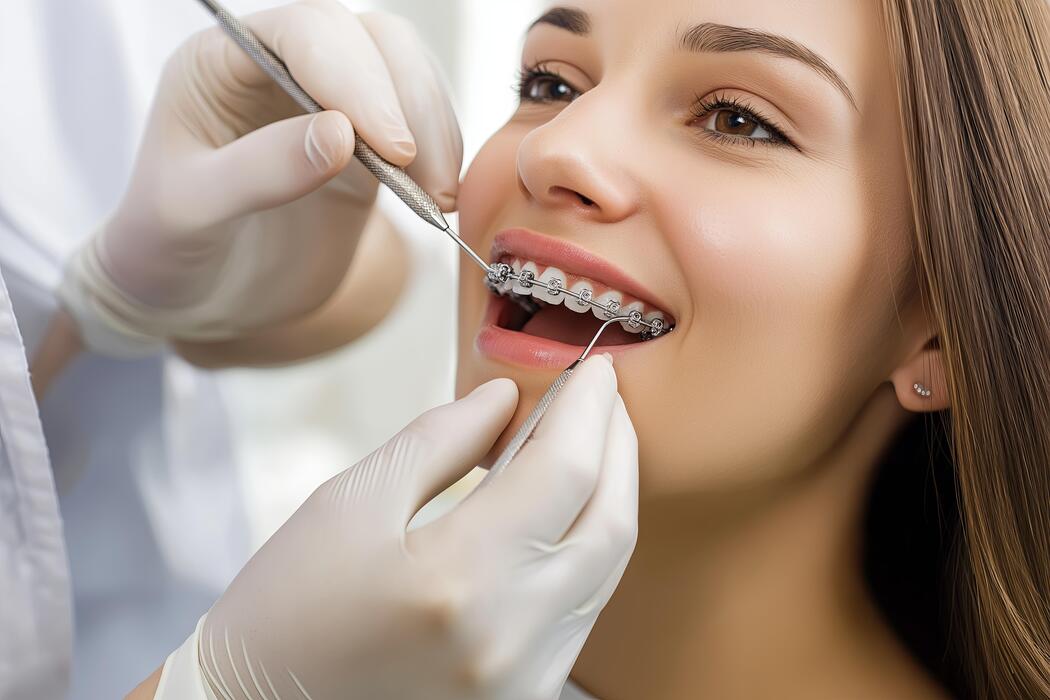
What Are Clear Braces?
Clear braces use the same system of brackets and wires as traditional braces, but instead of shiny metal brackets, they use ceramic or translucent ones. The wires are often made to be less noticeable as well, creating a more natural look when you smile.
Many patients find that clear braces strike a nice balance between being effective for even complex alignment issues while also being more discreet than metal. That’s why searches for clear braces near me have become so common—people want the strength of braces without the extra attention that metal sometimes brings.
Read More - Can Tooth Decalcification Be Corrected?
How Clear Braces Compare to Traditional Braces
Both clear and traditional braces use brackets and wires to gradually guide teeth into their correct positions. The main difference is aesthetic.
-
Metal braces are durable and can sometimes handle more force, which may be useful in very complex cases.
-
Clear braces are less noticeable, making them popular among adults and teens who feel self-conscious about wearing braces.
A pediatric or general orthodontist can explain whether your specific alignment needs are better suited to metal or clear.
Who Typically Chooses Clear Braces
Clear braces are commonly chosen by teenagers and adults who want an option that feels less obvious in daily life. They may be a good fit for:
-
Students who don’t want braces to stand out in school photos
-
Adults who speak or present often at work
-
People who want something more subtle but aren’t candidates for removable aligners
If you’re considering them, talking with a local orthodontist after searching for clear braces near me is often the first step.
Everyday Life with Clear Braces
Wearing braces means adjusting to a few new routines, and clear braces are no different. Here’s what many patients notice:
-
Eating: Like with metal braces, you’ll likely need to avoid very sticky or hard foods.
-
Cleaning: Brushing and flossing require a little more attention. This is especially important since orthodontists often warn about decalcification teeth, a condition where white spots appear on enamel if plaque isn’t cleaned away properly.
-
Check-ups: Regular visits are needed for adjustments and to make sure your treatment is on track.
The extra effort pays off, though, when you realize your smile is being carefully guided into place with braces that don’t immediately grab attention.
Keeping Teeth Healthy During Treatment
One of the biggest parts of orthodontic treatment isn’t just moving teeth—it’s keeping them healthy along the way. Clear braces, like all braces, create small spaces where food particles and plaque can build up. That’s where awareness of issues like decalcification teeth and incipient caries becomes really important.
-
Decalcification teeth shows up as chalky white spots and is often caused by plaque left sitting on enamel. It doesn’t mean the tooth is lost, but it can change appearance and sometimes weaken enamel.
-
Incipient caries is the early stage of tooth decay. This is when a cavity is just starting to form, and with proper care, it may be managed before becoming more serious.
Your orthodontist and dental team will give you tips on how to brush and floss with clear braces. Using tools like floss threaders or water flossers can help. Many patients find that being extra diligent with cleaning keeps their smile looking good both during and after treatment.
Making Braces Fun with Colors
One common question about clear braces is whether patients can still choose colors. While the brackets themselves are designed to blend in, many orthodontists still use small elastic ties to hold the wire in place. This means you can often select from a brackets color wheel, which includes a wide range of shades.
Some people prefer clear or white elastics to keep the subtle look of clear braces. Others like adding a little personality with colors. Flipping through the brackets color wheel at appointments can make the process feel more engaging, especially for younger patients.
Comparing Clear Braces to Other Options
Clear braces aren’t the only path to a straighter smile. Here’s how they compare to other common choices:
-
Metal Braces: More visible, but often slightly more durable for very complex cases.
-
Clear Aligners: Nearly invisible and removable, but not suitable for every case. Aligners also require strict compliance, since they only work if worn consistently.
-
Lingual Braces: Placed behind the teeth, making them invisible from the front, though they may feel more challenging at first.
When you search for clear braces near me, you’ll likely find orthodontists who offer all these options and can explain which might be the best fit for your needs.
Adjustments and Appointments
Just like with metal braces, clear braces require regular adjustments. These visits allow your orthodontist to check progress, tighten wires, and replace elastics. They may also check for any signs of incipient caries or decalcification teeth so that you can address them quickly.
Appointments usually become routine, and many patients find them easier once they settle into the rhythm. Having an orthodontist nearby makes these visits more convenient, which is another reason people often search specifically for clear braces near me.
Read More - Tips On Overbite Before and After Braces | Normal Overbite
Caring for Clear Braces at Home
Here are some everyday habits that many patients find helpful while wearing clear braces:
-
Brush after meals when possible to reduce buildup.
-
Use a fluoride toothpaste to help protect against incipient caries.
-
Rinse with water if you can’t brush right away.
-
Pay special attention around brackets to avoid decalcification teeth.
-
Have fun choosing shades from the brackets color wheel if you want to personalize your braces.
With a little consistency, these routines become second nature.
How Long Do Clear Braces Take to Work?
Treatment time varies depending on the complexity of your case. Some patients may need braces for just over a year, while others may wear them longer. Clear braces generally follow the same timeline as metal braces, since they use the same mechanics.
Your orthodontist will give you a better estimate after your initial consultation. That’s why searching for clear braces near me is such a helpful step—it connects you with professionals who can give advice tailored to your unique situation.
Final Thoughts
Choosing the right orthodontic option is a personal decision, and many patients find themselves weighing aesthetics against practicality. Searching for clear braces near me is often the first step toward finding a balance—braces that are strong enough to handle alignment needs while blending in with your natural smile.
Along the way, you’ll learn about important topics like preventing decalcification teeth, recognizing early signs of incipient caries, and even having fun with the brackets color wheel if you want to add personality to your braces.
The journey to a straighter smile is rarely just about teeth. It’s about confidence, comfort, and choosing the approach that feels right for you. Clear braces may be that middle ground—effective and discreet, giving you the best of both worlds.
FAQs
Q: Are clear braces as effective as metal braces?
Yes, for many patients, clear braces work just as effectively as metal. Some very complex cases may still benefit from metal, but most alignment issues can be treated with either.
Q: Will clear braces stain?
The ceramic brackets themselves usually resist staining. However, the elastic ties can discolor over time, which is why they’re often replaced at adjustment appointments. Choosing colors from the brackets color wheel can sometimes help minimize noticeable changes.
Q: What’s the difference between decalcification teeth and incipient caries?
Decalcification teeth refers to white spots where minerals have been lost from enamel, while incipient caries is the very beginning of tooth decay. Both can occur if plaque isn’t cleaned away properly, but with good care, they can often be managed.
Q: Can I still eat normally with clear braces?
Most foods are fine, but orthodontists usually recommend avoiding very sticky, hard, or chewy foods that could damage the brackets or wires.
Q: Why should I look for clear braces near me instead of farther away?
Regular checkups and adjustments are part of the process. Having an orthodontist nearby makes it easier to stay consistent with visits, and you’ll appreciate the convenience if anything urgent comes up.
Disclaimer: This article is for informational purposes only and does not constitute medical advice. Always consult a licensed healthcare provider for personalized treatment recommendations.


Comments
Post a Comment